Payments
Can Tourists Use WeChat Pay in China? Setup and Backup Options
Tourists can use WeChat Pay in China in many cases by linking an eligible overseas card, but they should set it up before arrival and carry Alipay, card, and RMB cash backups.
Quick Answer
Tourists can often use WeChat Pay in mainland China by installing WeChat, opening Weixin Pay/Wallet, completing identity checks, and linking an eligible international debit or credit card before travel. Tencent and China payment-service guidance both describe support for overseas users and international cards, but real-world success can still depend on your account, SMS access, passport verification, card issuer, merchant QR setup, risk controls, and transaction amount. Prepare WeChat because it also helps with communication, contacts, and mini-programs, but do not rely on it alone. Set up Alipay too, keep a second card available, and carry a small RMB cash backup for arrival-day failures.
Best Option by Scenario
| Scenario | Best option | Notes |
|---|---|---|
| First-time visitor | Install WeChat before departure, but make Alipay, a second card, and RMB cash part of the same plan. | A linked card is useful, not a guarantee that every QR payment will succeed. |
| Traveler already using WeChat | Open Wallet/Weixin Pay, complete identity prompts, add an eligible card, and test the payment code before the first important purchase. | Keep SMS access to the phone number on the account. |
| Payment-sensitive trip | Treat WeChat Pay as one layer in a stack that also includes Alipay, a bank card, and cash. | Issuer controls, merchant category, limits, fees, and risk checks can still interrupt payment. |
Detailed Guide
Yes, many tourists can use WeChat Pay in China, but treat it as a setup project and a payment layer, not a promise that every checkout will work.
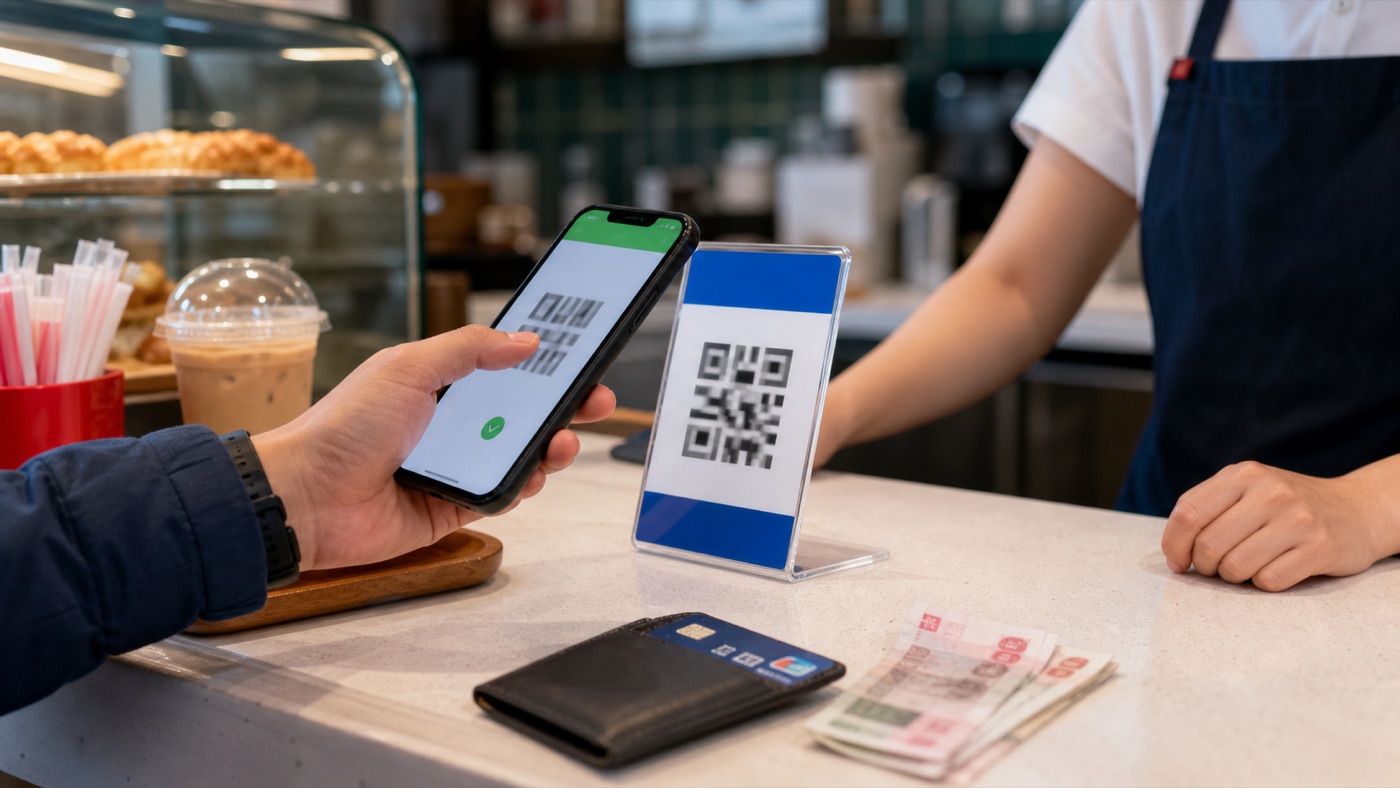
What to prepare before departure
- A working WeChat account on the phone you will carry in China.
- The phone number on that account, with SMS verification still reachable.
- Passport details for identity prompts.
- An eligible international debit or credit card, plus a second card if you have one.
- Alipay and a small RMB cash reserve for recovery.
Where WeChat Pay helps
- Restaurants, shops, transport, hotels, and some tourist services that use business QR payments.
- Mini-programs where booking, ordering, or ticketing starts inside WeChat.
- Communication with hotels, guides, restaurants, drivers, and local contacts.
Why it can still fail
- Your bank blocks the transaction or requires extra verification.
- The QR code is a personal transfer flow or a merchant category not supported for your card.
- The amount hits a single-transaction, monthly, yearly, fee, or risk-control threshold.
- The app asks for passport, SMS, or account review at checkout.
Checkout recovery rule
If WeChat Pay fails, try Alipay, ask whether the merchant has a business QR code or card terminal, use a second card where accepted, or pay with RMB cash. Do not wait until airport transport, hotel check-in, or the first meal to discover that your only method does not work.
Step-by-Step Checklist
- 1Install or update WeChat before flying.Sign in while you have stable internet and access to your SMS-capable phone number.
- 2Open Weixin Pay or Wallet and add identity details.Passport verification may be required; follow the in-app prompts rather than relying on screenshots from old guides.
- 3Link an eligible international card.Card network support, issuer approval, risk controls, transaction amount, and fees can affect success.
- 4Prepare Alipay, a second card, and RMB cash.Use them as checkout recovery options, especially on arrival day.
Common Mistakes
- Assuming a successful card link means every merchant QR code will work. Ask for the business QR/payment code, try Alipay, use a card terminal where available, or pay cash.
- Arriving with WeChat installed but no SMS or passport-verification access. Finish setup before departure and keep the phone number tied to the account reachable.
- Using WeChat Pay as the only payment method. China is QR-first in many places, but visitor payments still need backups.
FAQ
Can tourists use WeChat Pay without a Chinese bank account?
Often yes. Official guidance describes overseas users linking eligible international debit or credit cards, but setup and payment success still depend on account, card, issuer, and merchant details.
Do I need a Chinese phone number for WeChat Pay?
Official local guidance says an international phone number can be used if it can receive SMS verification codes. Make sure your number can receive messages while traveling.
Which cards can tourists link to WeChat Pay?
Tencent and local government guidance describe support for major international card networks, but exact card acceptance depends on the card network, issuing bank, account review, and in-app payment-page rules.
Why does WeChat Pay sometimes fail for foreign cards?
Failures can come from issuer fraud checks, merchant QR type, unsupported features such as transfers, transaction limits, risk controls, poor network access, or a verification prompt.
Should I set up Alipay too?
Yes. Most tourists should prepare Alipay as a payment-first backup and keep a second card plus some RMB cash.
Sources and Update Notes
- Tencent: Weixin Pay enhances mobile payment experience for overseas users Checked June 15, 2026 for international-card support, passport setup, payment modes, merchant categories, and fee notes.
- Tencent: 2026 inbound payment service upgrade Checked June 15, 2026 for current inbound-payment upgrades, foreign-card fee-waiver language, and multilingual payment guidance.
- Payment service guide for overseas visitors to China Use for official China visitor-payment options covering mobile payment, bank cards, and cash.
- Beijing Chaoyang: Overseas bank cards accepted by Weixin Pay and Alipay Use for setup path, identity/SMS guidance, supported everyday-purchase scope, limits, and transaction-fee caveats.
- Bank of China: Cross-border personal financial services for short-term visitors Use for bank-card, cash, QR-payment, and e-CNY backup context.