Travel Planning
Practical China Travel Planning After the Budget Travel Backlash
Turn viral China travel inspiration into a practical plan with budget discipline, source checks, weather buffers, train booking, payment prep, and realistic route pacing.
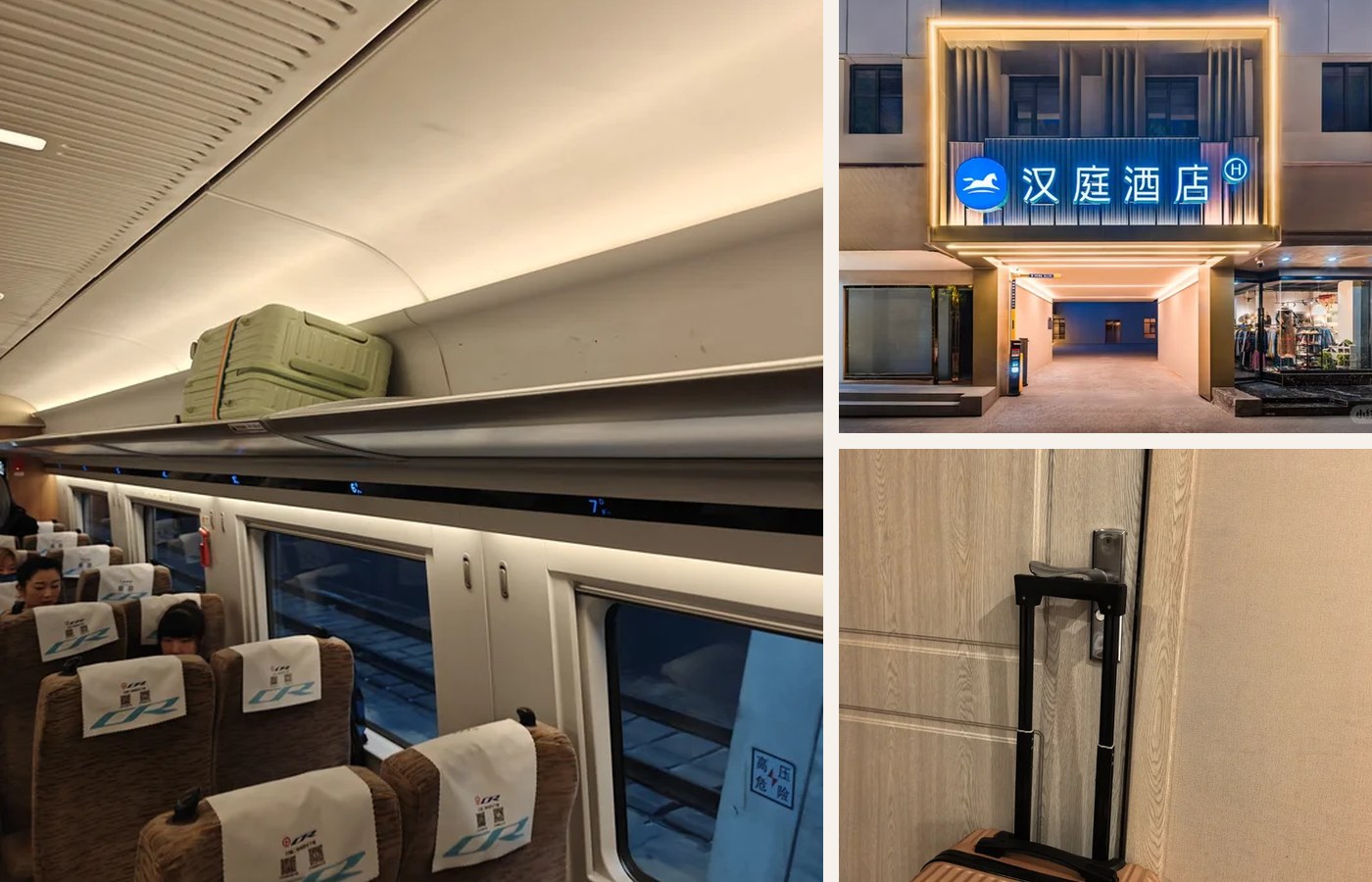
Quick Answer
The useful response to the "budget travel is dead" backlash is not to chase the cheapest possible China trip. It is to plan with evidence, buffers, and clear trade-offs. Start with one route spine, check the 2026 public-holiday calendar, confirm train or flight links, and verify weather, attraction rules, payment setup, maps, and hotel addresses before you pay. Social posts are excellent for discovering what people want: lower pressure, real logistics, and less status performance. They are weak for facts. Use them to choose questions, then use official sources and current booking channels to answer those questions.
Best Option by Scenario
| Scenario | Best option | Notes |
|---|---|---|
| First China trip | Use a total-friction filter instead of a cheapest-first filter. A cheap hotel far from the station can cost you a taxi problem, a missed train, or an exhausted first day. A slightly pricier base near transit can be the better budget decision when it protects sleep and reduces app friction. | practical China travel planning |
| Short trip with limited buffer | For a 7-10 day trip, build one spine and one flex day. The flex day is not wasted time. It absorbs rain, delayed trains, altitude recovery, sold-out tickets, and the moment when a place is better than expected and deserves a slower morning. | Add one weather buffer |
| Risk-sensitive traveler | The verification sequence is simple: holiday crowd risk, weather risk, transport inventory, attraction or hotel access, then payment and map readiness. Do not reverse the order by booking a photo-first route and hoping the practical pieces work later. | Verify before booking |
Detailed Guide
The strongest social signal was not a destination. It was frustration with travel content that looks expensive, vague, or performative. For inbound travelers, the answer is a planning system that treats money as one constraint among several: time, weather, tickets, payment, language friction, and fatigue.

Plan The Route
Use a total-friction filter instead of a cheapest-first filter. A cheap hotel far from the station can cost you a taxi problem, a missed train, or an exhausted first day. A slightly pricier base near transit can be the better budget decision when it protects sleep and reduces app friction.
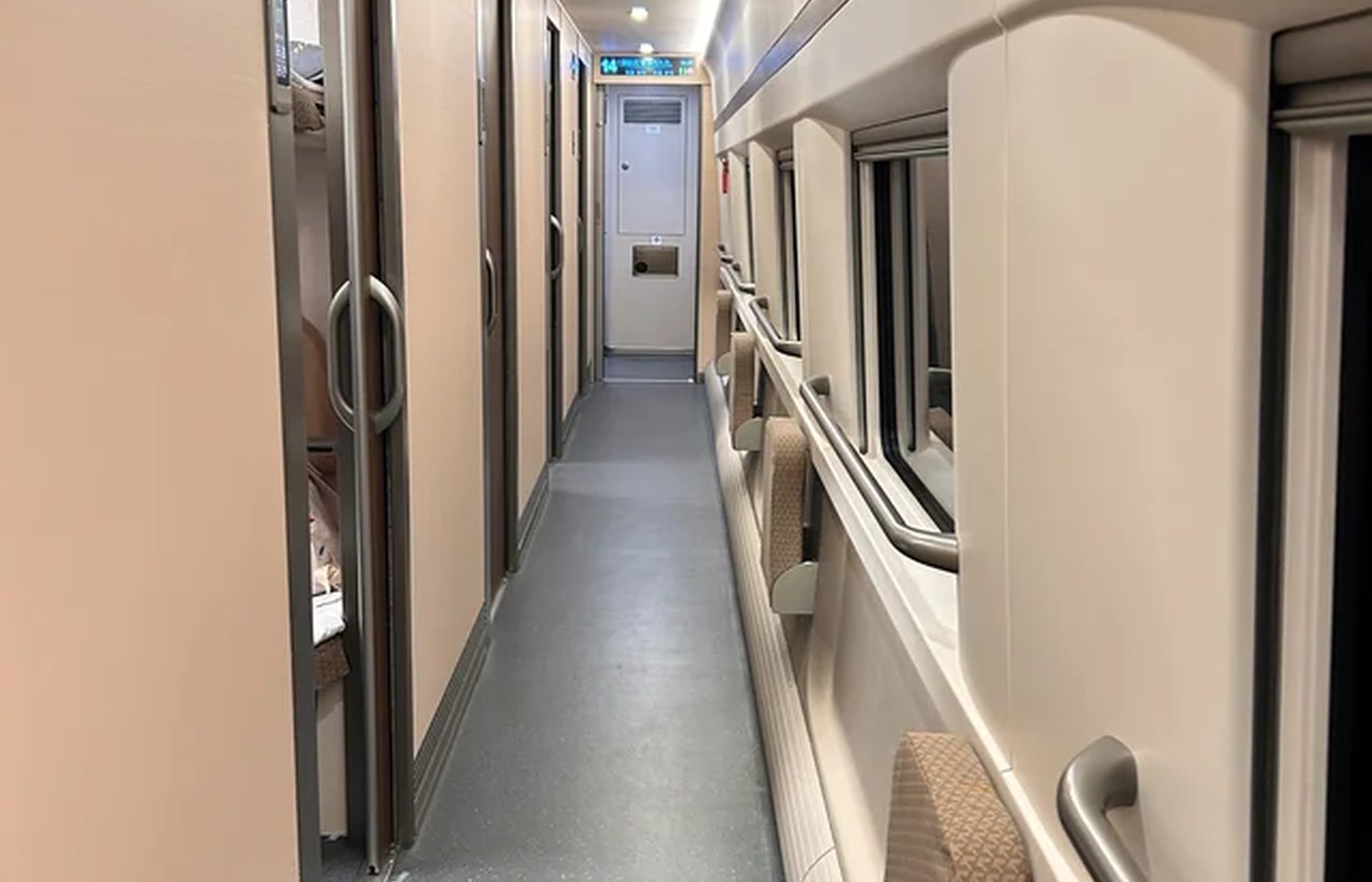
Reality Check
The verification sequence is simple: holiday crowd risk, weather risk, transport inventory, attraction or hotel access, then payment and map readiness. Do not reverse the order by booking a photo-first route and hoping the practical pieces work later.
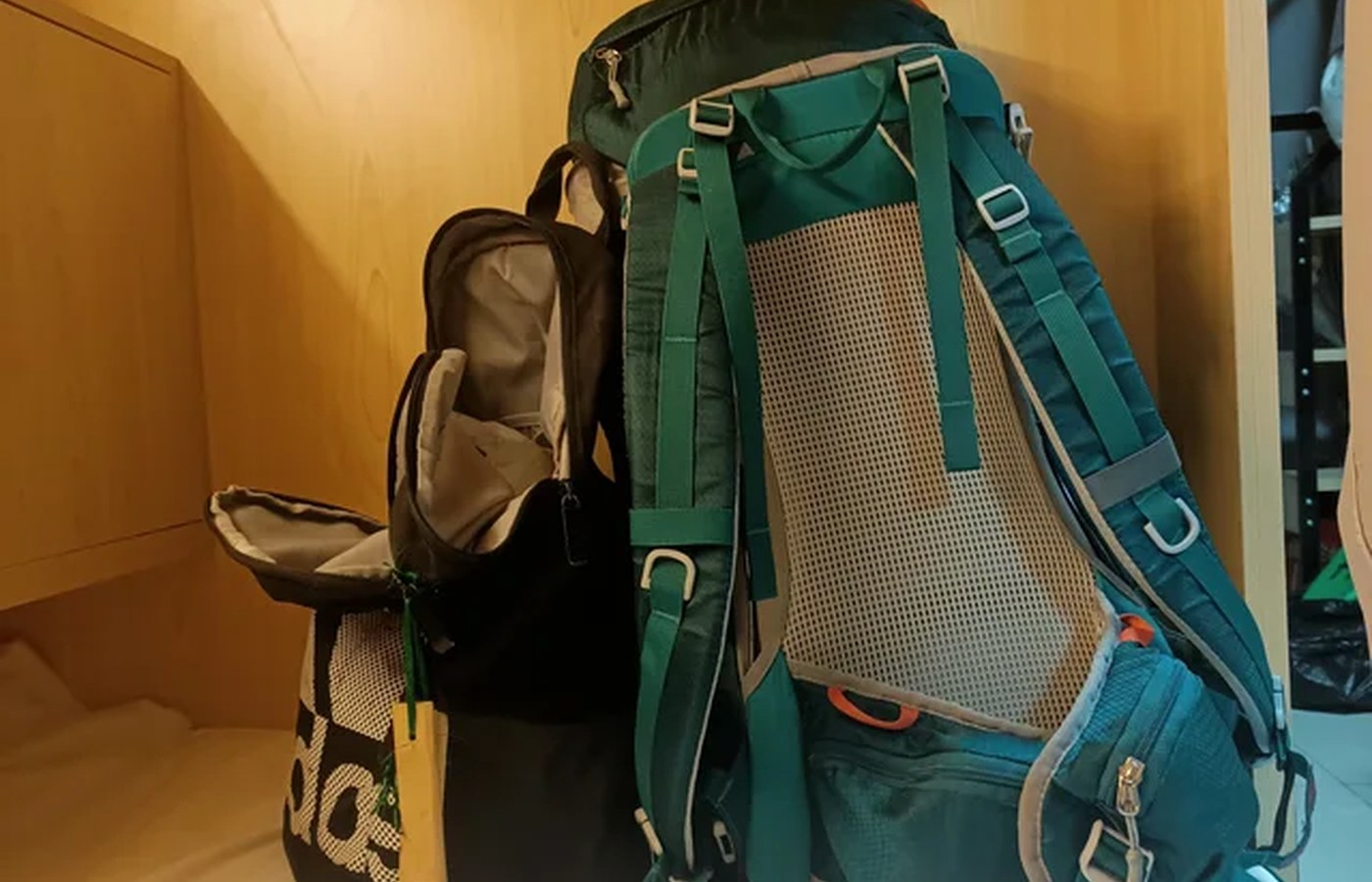
Booking And Backup
For a 7-10 day trip, build one spine and one flex day. The flex day is not wasted time. It absorbs rain, delayed trains, altitude recovery, sold-out tickets, and the moment when a place is better than expected and deserves a slower morning.
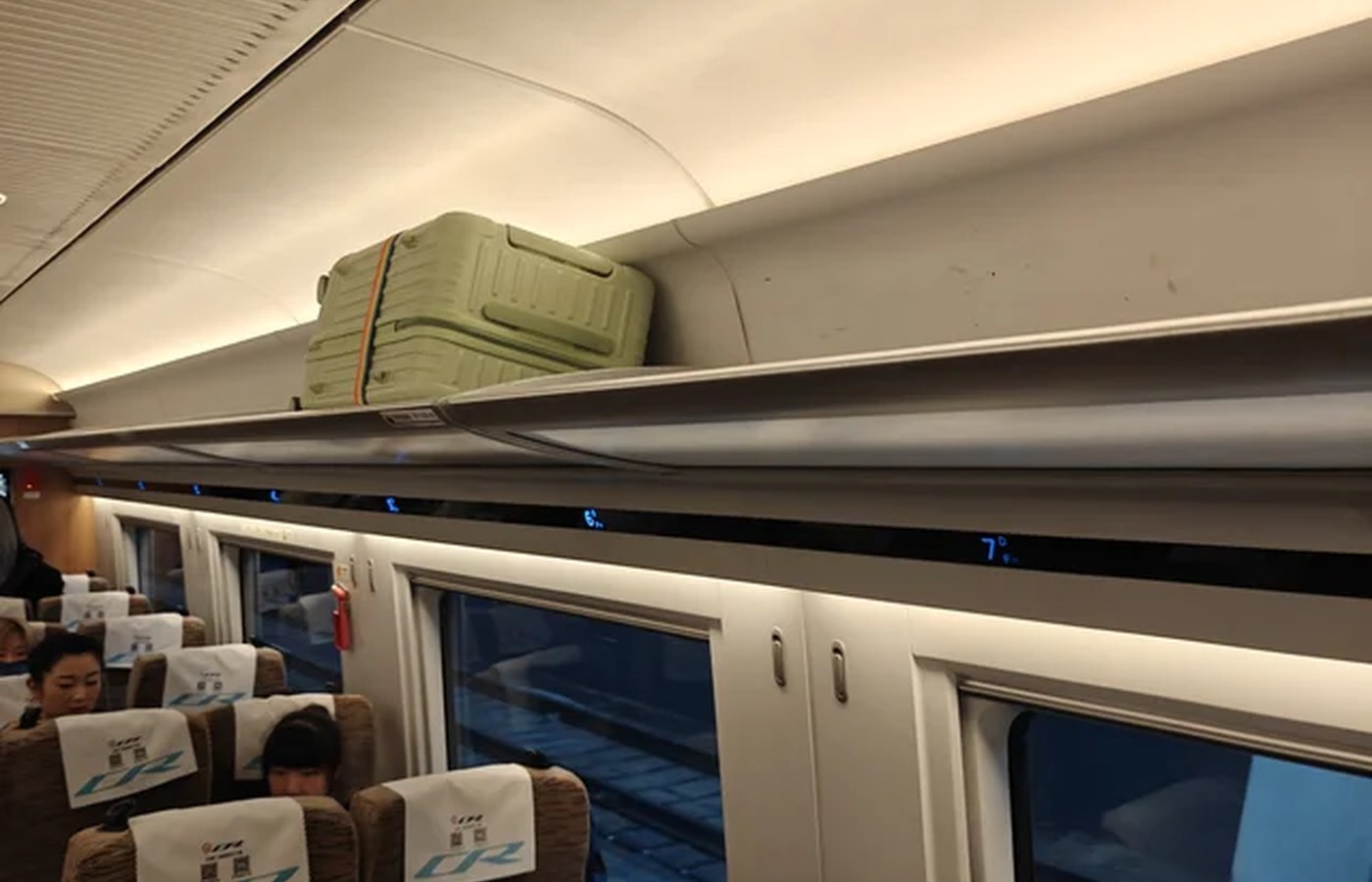
Bottom Line
The goal is not to make China feel small or frictionless. The goal is to make the trip honest: fewer fragile assumptions, more verified choices, and a route that still works when one thing changes.

Image Credits
Article photos are cropped from user-approved social visual research assets for this content batch, with app chrome, usernames, captions, stickers, and text-heavy overlays removed where needed. Factual claims still come from the official and primary sources listed above, not from social images.
Step-by-Step Checklist
- 1Verify before bookingThe verification sequence is simple: holiday crowd risk, weather risk, transport inventory, attraction or hotel access, then payment and map readiness. Do not reverse the order by booking a photo-first route and hoping the practical pieces work later.
- 2Add one weather bufferFor a 7-10 day trip, build one spine and one flex day. The flex day is not wasted time. It absorbs rain, delayed trains, altitude recovery, sold-out tickets, and the moment when a place is better than expected and deserves a slower morning.
- 3Prepare China apps and paymentAlipay, WeChat Pay, AMap, DiDi, translation, hotel addresses, train or flight bookings.
- 4Save Chinese place namespractical China travel planning
Common Mistakes
- Copying a pretty post without checking access, season, transport, and safety. Use the post as an idea, then verify official notices, tickets, road access, weather, and backup transport.
- Trying to combine every viral stop into one short route. Pick one spine and protect rest time; China trips fail when transfer days are treated as sightseeing days.
FAQ
Is practical China travel planning worth planning in 2026?
The useful response to the "budget travel is dead" backlash is not to chase the cheapest possible China trip. It is to plan with evidence, buffers, and clear trade-offs. Start with one route spine, check the 2026 public-holiday calendar, confirm train or flight links, and verify weather, attraction rules, payment setup, maps, and hotel addresses before you pay. Social posts are excellent for discovering what people want: lower pressure, real logistics, and less status performance. They are weak for facts. Use them to choose questions, then use official sources and current booking channels to answer those questions.
What should I book or verify first?
For a 7-10 day trip, build one spine and one flex day. The flex day is not wasted time. It absorbs rain, delayed trains, altitude recovery, sold-out tickets, and the moment when a place is better than expected and deserves a slower morning.
Can I trust social travel posts for this route?
The verification sequence is simple: holiday crowd risk, weather risk, transport inventory, attraction or hotel access, then payment and map readiness. Do not reverse the order by booking a photo-first route and hoping the practical pieces work later.
Sources and Update Notes
- China public holidays for 2026 Checked on June 19, 2026 for factual planning context; social posts are used only as demand signals.
- 12306 China Railway English website Checked on June 19, 2026 for factual planning context; social posts are used only as demand signals.
- China Weather English portal Checked on June 19, 2026 for factual planning context; social posts are used only as demand signals.
- Internal social demand brief, June 19 2026 Checked on June 19, 2026 for factual planning context; social posts are used only as demand signals.