Connectivity
Best eSIM for China Travel: App Access, VPN, SMS and Tourist Picks
Compare the best China eSIM path for tourists by app access, VPN needs, Google and WhatsApp use, SMS/OTP limits, hotspot, activation, top-up, refunds, and data.
Quick Answer
The best eSIM for China is the one that best fits your trip, not a universal winner for everyone. If you want the simplest app-first tourist setup, start with a provider that has clear installation steps, enough data for the whole trip, easy top-up, and explicit China app-access notes for Google, Gmail, WhatsApp, Instagram, maps, and other services you rely on. If you expect heavy hotspot use, video, or unlimited-style data, compare fair-use and tethering terms before price. If SMS, OTP, iMessage, or a mainland Chinese phone number matters, treat that as a separate requirement because most travel eSIMs are data-only. Always read the exact plan's routing, VPN, activation, refund, and coverage terms before paying.
Starting picks
Choose your China eSIM starting point
Start with the path that fits your trip, then confirm current data allowance, activation timing, hotspot rules, app-access notes, and refund terms on the provider site.
 Best first click for most tourists
Start here if you want the simplest app-first setup
A consumer-friendly travel eSIM app to consider first if you want clear installation steps, easy top-ups, and a straightforward plan to manage before and during the trip.
- Clear setup flow
- Top-up path
- Trip-length plans
 Heavy-data alternative
Compare this first if you want unlimited-style data
Use Holafly as an early comparison if your main priority is larger or unlimited-style data and the current hotspot and fair-use terms still fit your trip.
CodeSIYECHINAUse code at checkout for current Holafly plans.
- Larger data focus
- Unlimited-style plans
- Fair-use terms
 Budget app option
Compare this if price matters more than extras
A straightforward eSIM app for travelers who want affordable data, quick app-based purchase, and a lower-friction budget option before departure.
- Budget-friendly
- App-based purchase
- Compare plan details
 App-flow alternative
Compare if you want another simple app-based option
A dedicated travel eSIM provider worth checking when you want a familiar app flow, China plan details, and another first-pass option before flying.
- Travel eSIM specialist
- China plan details
- Hotspot terms
 Marketplace comparison
Start here if you want to compare several offers fast
A marketplace-style option when you want to scan multiple China data plans, validity windows, and refund terms before deciding which provider deserves a closer look.
- Multiple plan choices
- Validity comparison
- Refund policy
Best Option by Scenario
| Scenario | Best option | Notes |
|---|---|---|
| Simplest app-first setup | Start with a provider that has clear installation steps, straightforward trip-length plans, and easy top-up. | Best for short trips when you want the least friction before and after arrival. |
| Heavy data or unlimited-style browsing | Compare the large-data options first, then read fair-use, hotspot, and speed-management terms carefully. | Headlines matter less than the fine print when you tether or stream. |
| Budget-conscious traveler | Compare lower-cost app-based plans after checking activation timing, refund terms, and top-up friction. | A cheap plan is only a good deal if it still works smoothly after landing. |
| Need a broad marketplace comparison | Start with a marketplace or familiar travel app if you want to scan several current offers quickly. | Good for travelers who want to narrow a shortlist before reading plan-specific details. |
Detailed Guide
If you searched for the best eSIM for China, you probably do not need another generic definition of eSIM. You need a fast way to decide where to start.
The best China eSIM is usually the one that best fits your trip, your apps, and your tolerance for setup friction. This page does not pretend every traveler should buy the same provider. It helps you choose a sensible first click, then shows what to verify before you pay.
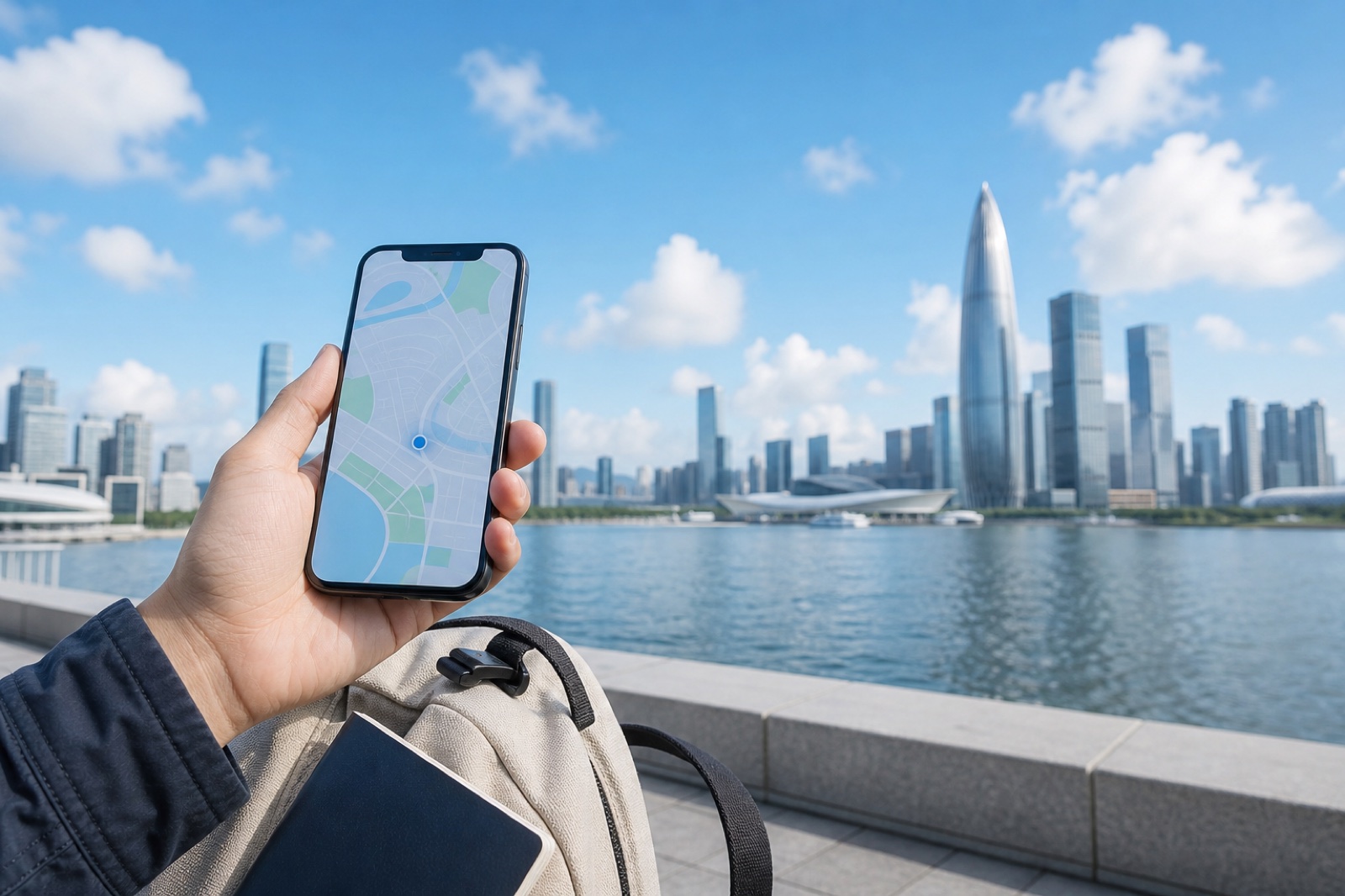
Choose the eSIM by what could break your trip first: app access, data size, activation timing, hotspot, and support.
Pick your starting path
If you want the simplest app-first setup, start with the first-tier picks above and focus on the providers that explain installation clearly, let you top up easily, and give you a plan that matches the whole trip.
If your real concern is larger data, hotspot, or unlimited-style use, compare those options first, then read the fair-use and speed-management terms before looking at price.
If you already use Trip.com and Alipay for China travel or payments, those can still be sensible places to compare. They just belong in the second layer of comparison, not as automatic winners for every traveler.
If your real question is app access
For many tourists, “best eSIM for China” really means “which setup lets my key apps keep working?” That is why app access deserves to be checked before brand loyalty.
 Google
 Gmail
Gmail WhatsApp
 YouTube
China eSIM buyers often care more about app access than brand names. Read routing notes, then keep offline and messaging backups.
Before trusting any single plan, read the support pages or current plan notes for blocked websites in China, whether Gmail works in China, whether WhatsApp works in China, and whether you need a VPN with a China eSIM.
Recent traveler discussions and search queries often frame the same problem in different words: “best eSIM app for China,” “China eSIM with VPN,” “does WhatsApp work with eSIM,” or “can I receive SMS with a China eSIM.” Those are not separate buying decisions. They are checks on one plan: routing, app access, data-only limits, and recovery if the plan disappoints.
How to choose the best fit for your trip
| Starting path | Best for | Verify first |
|---|---|---|
| Simple app-first setup | Short trips, first-time visitors, travelers who want low setup friction. | Installation flow, top-up path, activation timing, and current app-access notes. |
| Large-data or unlimited-style plans | Travelers who stream, tether, or expect heavier usage. | Fair-use, speed management, hotspot limits, and whether “unlimited” matches your real usage. |
| Budget app option | Travelers who care more about cost than extra features. | Refunds, activation trigger, top-up friction, and whether support is still clear enough. |
| Marketplace comparison | Travelers who want to scan several current offers quickly before narrowing a shortlist. | Who actually operates the plan, how support works, and whether the marketplace summary hides route or routing caveats. |
China eSIM Buying Checklist
| Decision factor | What to look for | Risk to avoid |
|---|---|---|
| App access and routing | Clear China notes for Google, WhatsApp, Gmail, Instagram, YouTube, TikTok, ChatGPT, and other apps you rely on. | Vague “works in China” language with no explanation of routing or app access. |
| Data amount | Enough GB for your real travel style, with top-up if you may run out. | Buying the smallest plan and then paying more under stress after landing. |
| Hotspot and tethering | Explicit hotspot permission if you need to share data with a laptop, tablet, or travel partner. | Assuming hotspot works because the plan says “data.” |
| Activation timing | A clear answer for when validity starts: purchase, installation, or first network connection. | Activating too early and losing useful days before you arrive. |
| Top-up and support | In-app or web top-up, support you can reach, and instructions that make sense before departure. | A plan that is cheap but hard to fix from inside China. |
| Refund and cancellation | Terms for incompatible devices, installation failure, unused plans, or network problems. | Discovering refund rules only after the plan fails. |
| Region coverage | Mainland China coverage, plus Hong Kong, Macao, or Taiwan if your route includes them. | Buying a regional plan that does not match your actual itinerary. |
| Chinese phone number | A clear statement if the plan is data-only or includes any number/SMS feature. | Expecting a travel eSIM to handle mainland phone-number registration. |
Good Places to Compare Current China eSIM Plans
These names still matter because travelers genuinely search them, even though they should not all sit in the same first-tier recommendation layer.
| Option | Why travelers compare it | What to check before buying |
|---|---|---|
| Trip.com eSIM | Convenient if you already book China travel through Trip.com and want a familiar checkout. | App access notes, activation timing, refunds, hotspot rules, and whether the plan matches your route. |
| Alipay eSIM | Convenient if you already use Alipay for payments and prefer an in-app purchase flow. | Setup clarity before arrival, whether the exact plan is data-only, and how support works. |
| Airalo | Familiar marketplace option if you want to compare China-only and regional Asia plans in one app. | Whether the exact plan fits your route, app-access expectations, and data needs. |
| Nomad | Often compared for regional flexibility and China-specific app-access wording. | Activation timing, app-access claims, top-up flow, and whether the plan covers every stop on the route. |
| SIM Options | Marketplace-style option if you want to scan several current China offers before choosing which provider deserves a closer look. | Who actually operates the plan, what support path applies, and whether the listing hides route or routing caveats. |
| CMLink | Considered by travelers comparing China Mobile International-related options for China or Hong Kong connectivity. | Registration requirements, route coverage, app-access expectations, and whether it behaves more like a carrier plan than a tourist eSIM. |
Provider-specific next reads
If you already know the kind of provider you want, use these as the next step:
- Saily China eSIM setup checks: best if you want the site’s main affiliate option and a clear predeparture setup checklist.
- Airalo China eSIM marketplace checks: best if you want to compare a marketplace-style option against route fit and data-only limits.
- Nomad China eSIM app-access checks: best if you care most about Nomad’s China-specific app-access positioning.
When this page is not enough
This page assumes you already want a travel eSIM. If you are still deciding between eSIM, local SIM, roaming, and pocket Wi-Fi, read eSIM vs local SIM vs roaming first.
If your real issue is timing, read whether tourists should buy a China eSIM before arrival. If your route includes side stops, read whether a China eSIM works in Hong Kong, Macau, or Taiwan. If your trip depends on SMS, OTP, iMessage setup, or local registration, read whether you can receive SMS with a China eSIM and whether you need a Chinese phone number in China.
Step-by-Step Checklist
- 1Confirm your phone supports eSIM and is unlocked.Check this before buying, especially if your phone was purchased in mainland China, Hong Kong, Macao, or through a carrier contract.
- 2Match the plan to your real trip, not just the headline price.Trip length, hotspot use, app access, and route coverage matter more than a generic cheapest-plan pitch.
- 3Read activation timing, top-up, and refund terms before paying.These three details decide whether a plan still feels convenient once you are inside China.
- 4Treat a Chinese phone number as a separate requirement.Most tourist eSIMs are data-only and do not solve mainland SMS or local-number registration by default.
Common Mistakes
- Treating every China eSIM as the same product. Compare app access, routing notes, activation timing, hotspot, top-up, and refund rules before comparing price.
- Buying the cheapest plan before checking how validity starts. A plan that starts too early can waste useful days before you land.
- Assuming travel eSIM means Chinese phone number. Most travel eSIMs are data-only, so number and SMS needs may require a different solution.
FAQ
What is the best eSIM for China travel?
There is no single best eSIM for every China trip. The best choice depends on whether you care most about simple setup, larger data, lower price, marketplace comparison, app access, hotspot, or route coverage.
Should I start with Saily, Holafly, or a marketplace?
Start with Saily if you want the simplest app-first setup, Holafly if you want to compare larger or unlimited-style data first, and a marketplace such as SimOptions if you want to scan multiple current offers quickly.
Should I buy a China eSIM from Trip.com or Alipay?
Trip.com or Alipay can be sensible starting points if you already use those apps, but you still need to read the exact China plan details for app access, activation timing, hotspot, refunds, and route fit.
Does a China travel eSIM include a Chinese phone number?
Usually no. Most tourist eSIMs are data-only and do not include a mainland Chinese phone number, voice calling, or SMS.
Do I need a VPN with a China eSIM?
It depends on the provider's routing and the exact plan. Some travel eSIMs say they support access to international apps without a separate VPN, while local Chinese SIM service usually follows mainland network restrictions.
What is the best eSIM app for China tourists?
The best eSIM app is the one that clearly explains China routing, activation timing, top-up, hotspot, support, refunds, and app-access expectations before purchase. Do not choose only by the lowest headline price.
Will a China eSIM let me use WhatsApp, Google, Gmail, or Instagram?
Some travel eSIMs or roaming products may route traffic outside mainland China and help with international apps, but behavior depends on the exact provider and plan. Keep offline maps, email copies, and messaging backups.
Sources and Update Notes
- Apple Support: using eSIM with iPhone in China mainland Checked for iPhone device and region caveats around eSIM support.
- Trip.com China eSIM guide Checked for current Trip.com positioning, plan examples, and setup language.
- Airalo Help Center: China eSIM and VPN Checked for provider claims about routing and VPN expectations.
- Saily China eSIM plans Checked June 8, 2026 for current China eSIM positioning, setup language, top-up flow, and data-only notes.
- Holafly China eSIM plans Checked June 8, 2026 for unlimited-style positioning, hotspot caveats, and current plan framing.
- SimOptions Checked June 8, 2026 for marketplace positioning, multi-plan comparison, and refund/support framing.